Film
Wicked, A No-Spoiler Review of the Novel (Not the Musical)
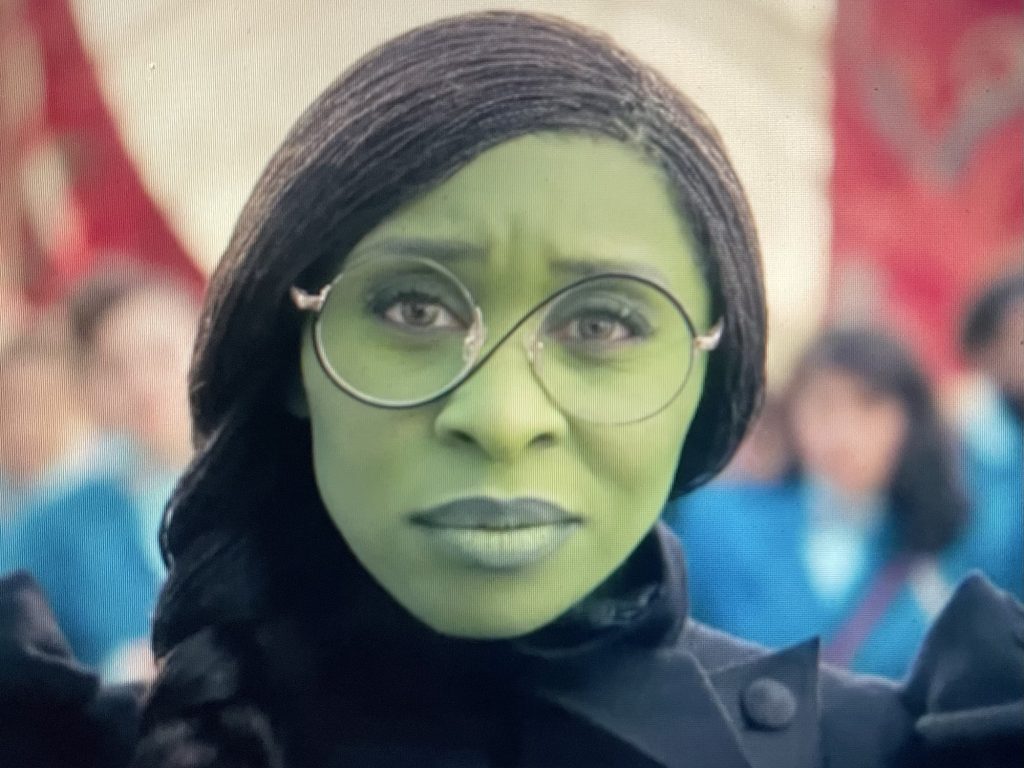
WICKED, a huge Broadway hit from the last couple of decades, is coming to film. I recently learned that WICKED (the musical, on which the film is based) debuted at the Curan Theater on May 28 of 2003. The Curan Theater lives at 445 Geary Street in San Francisco. Berkeley is my old home, stomping grounds for 27 years. The Curan Theater was a 20 minute walk, plus a 20 minute BART ride away from my doorstep. I saw Les Miserables at the Curan, and the Phantom of the Opera, and probably a couple of other shows before my life of parenting got very busy in the East Bay.
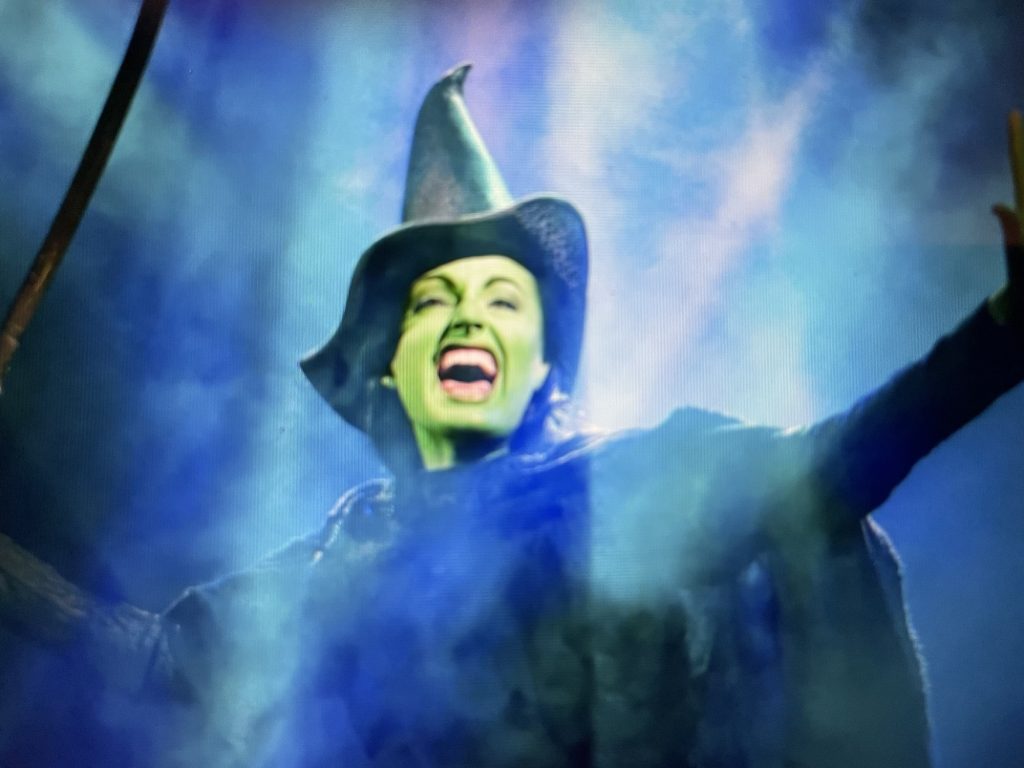
WICKED, the musical became a huge hit, took Broadway by storm and delighted the musical theater world with its interesting take on Oz, as well as the compelling music based on the life and times of the Wicked Witch of the West. This all emerged from Gregory Maguire’s novel.
I recently read the novel for the first time. Here is my short review:
5 Reasons I Recommend the Novel, WICKED (With Reservations)
- The musical does not follow the story of the novel closely, so if you’ve already seen the musical, expect to be surprised/disappointed by the novel.
- The novel is an entertaining story, but beware educators, this book is rated “R” in terms of sexual content. Gregory Maguire wrote female characters with active sex lives and he is explicit in describing their sex lives
- I appreciated the take on an alternative narrative regarding the famous villain of The Wizard of Oz. The world is other. Today, we might call Maguire’s novel fan fiction. It’s also interesting to remember that all villains in any fairytale are more complex people when their surface is scratched.
- While the world is other, the characters are relatable, which is why I think Maguire’s novel took flight
- Maguire took the world inhabited by Dorothy and Toto and broadened it. That brings pleasure to many fans of The Wizard of Oz
The Long Review: (tiny spoiler in below content)
I don’t have too much to add here…only that a good friend told me that as a child, she was a huge fan of the musical and listened to the songs all the time. Her grandmother heard this and bought her the novel. My friend, a pre-teen child at the time, started reading the novel and was somewhat traumatized by the sex in the book. She set the novel aside for another time.
To be honest, because I am a writer, I ponder this middle-aged male author writing about women and their relational lives (not simply their sex lives, but more broadly…their relational lives). His characters often felt more male to me than female. Their sexual habits was one area where I began to wonder, but also Ephalba (the Wicked Witch of the West) struck me as disturbingly non-maternal. She is cruel in her neglect of the child of her lover. She hardly claims him. She feels empathy for some others, and in a broad sense seems to care for weak folks in her society, but she feels almost zero maternal compassion for her son. That struck me as odd and made her less relatable. Could a woman have written this character? I’m not sure, and maybe Maguire was working out his angst regarding horrible mothers. 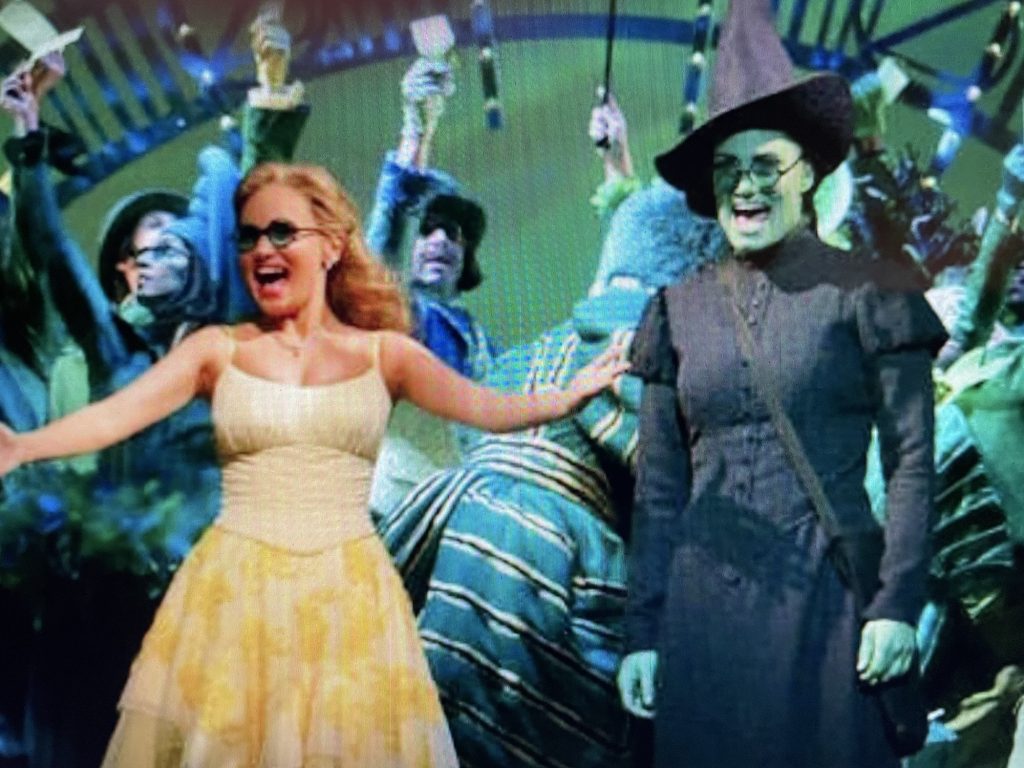
In short, this book was an entertaining read, but don’t feel like you have to read it to enjoy the musical. In fact, you may enjoy the musical (and now the musical film) more without knowledge of the book.
This audiobook is a fun one, so if you love listening to quick-paced novels, and don’t mind the sexual content, WICKED would probably entertain.

The Progression of a Brilliant Story:
It all starts with L. Frank Baum’s Wizard of Oz, which inspires Metro-Goldwyn-Meyer Wizard of Oz, a musical. In the 70s, Charlie Smalls and William F. Brown created The Wiz. That played on Broadway, then was eventually turned into a musical film starring Diana Ross and Michael Jackson. Then, Gregory Maguire writes WICKED. Stephen Schwartz and Winnie Holzman love the story and create Wicked, the musical. Now, Winnie Holzman, Dana Fox write, and John Chu directs Wicked, the musical film, with Schwartz’ music from the stage, of course!
That’s great story after great story emerging out of one novel. So, I can’t say I loved WICKED as a novel, but in the spirit of The Wizard of Oz and The Wiz, it certainly inspired amazing music!
SCOTT PILGRIM VERSUS THE WORLD, A No-Spoiler Film Review
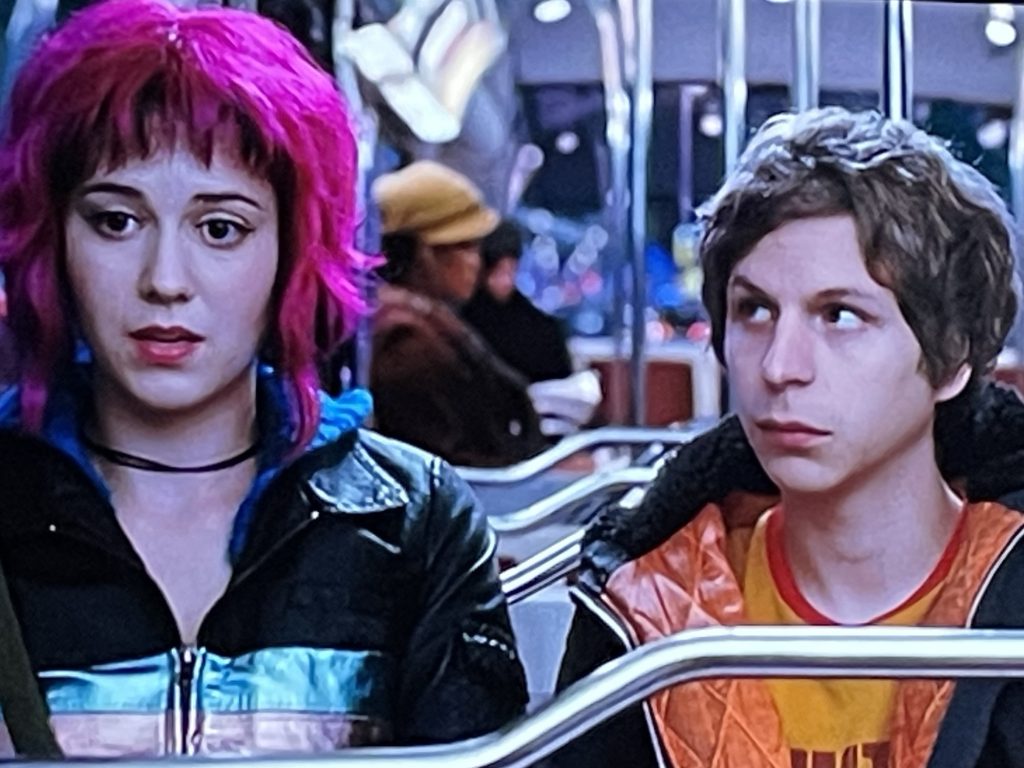
SCOTT PILGRIM VERSUS THE WORLD, a 2010 film starring Michael Cera as Scott Pilgrim and Mary Elizabeth Winstead as Ramona Flowers, dishes out a nerd meets cool girl story and takes it to the videogame/superhero plane, right into transmedia storytelling. This is an entertaining and funny PG13 story, full of teen angst, youthful lust and the longing for true love.
The Short Review…6 Reasons I Recommend this Film
- Pleasing visuals and interesting action sequences…I would watch it for this alone
- Surprising and entertaining turns with the characters and the story, many of which will make you laugh
- Angsty youth longing for connection
- Vibrant characters, like the melancholy Wallace Wells (Kieran Culkin) and the spunky Knives Chau (Ellen Wong)
- A mix-up/mash-up of reality and virtual reality in the story world
The Long Review…
SCOTT PILGRIM VERSUS THE WORLD is a film co-written, produced and directed by Edgar Wright. It is based on the graphic novel series, Scott Pilgrim, by Bryan Lee O’Malley. The film plumbs issues surrounding a young man longing for love. Scott Pilgrim is in his mid 20s and coming off a breakup. He finds himself in a relationship with Knives Chau, a highschooler who adores him, then meets Ramona Flowers, a captivating twenty-something cool girl. To win her, he has to contend with Knives as current girlfriend as well as Ramona’s ex boyfriends.
We carry our romantic histories with us and they are not always easy to shed. This is true about Scott letting go of his ex girlfriend and Ramona figuring out how to move on from her controlling ex-boyfriend(s). Both characters carry wounds and the strange action sequences in the end are a fantastical outworking of how they need to slay those old demons that might keep them from true love.
I really like this film. It’s different, quick-paced, visually gorgeous and spins a good yarn.
THEY CLONED TYRONE, A No-Spoiler Review
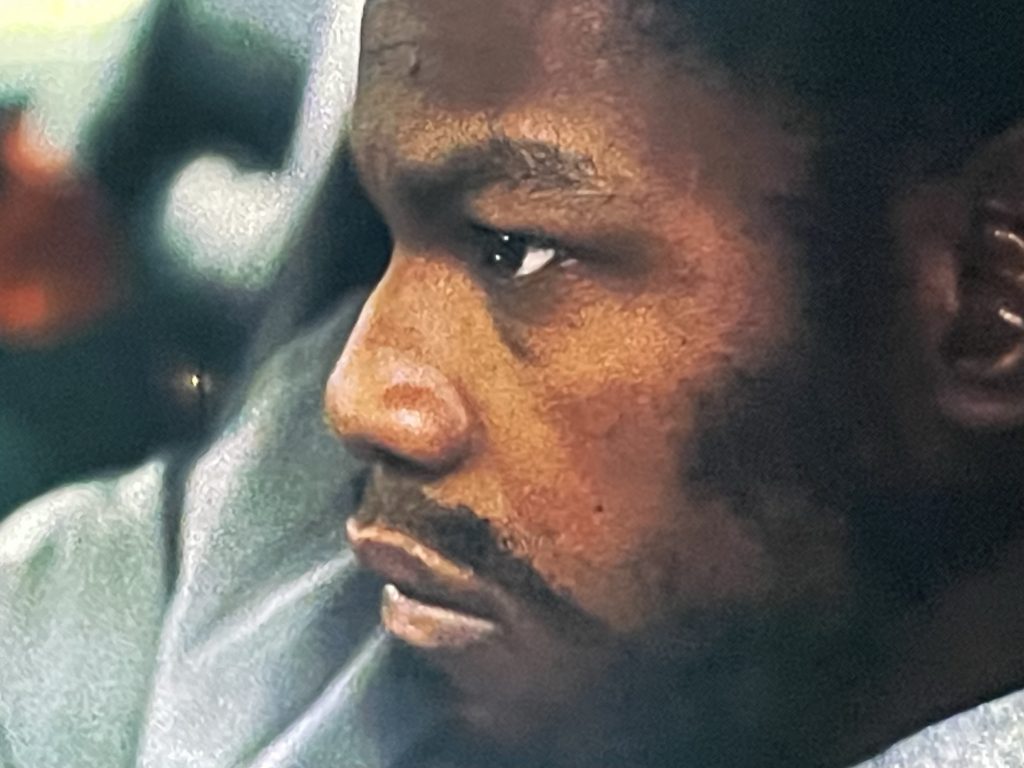
Tudum, Neflix’s official fan site, calls THEY CLONED TYRONE a gonzo sci-fi caper. I watched it with my son last week, a second time with my husband last night. Here’s my review. I enjoyed this caper at least as much the second time through. THEY CLONED TYRONE is rated R for violence, nudity and language. This film is streamable on Netflix.
The Short Review
5 Reasons I recommend this film
- starring John Boyega, Jamie Foxx, Teyonah Parris, a fantastic trio, absolutely dynamic in all good ways
- authentic and gritty including design elements wonderfully contrasted in the 2 versions of “the Glen” portrayed
- a story that surprises…even knowing a clone is involved (see title), there are still some fantastic mysteries to solve
- THEY CLONED TYRONE was laugh-out-loud funny in parts, I found the dialogue and characters delightfully entertaining
- a serious social commentary worth contemplating

The Longer Review
When Jordan Peele decided to get into the film creation business and write/direct Get Out, Hollywood (and the general audience) sat up and took notice. Not only was Get Out entertaining in so many compelling ways, it was the fleshing out of an urban myth that a racially charged society like the US understood, even feared. Peele broke the mold with Get Out and then deepened his creative impact with Nope and Us, paving the way for creators like Juel Taylor. Taylor wrote and directed THEY CLONED TYRONE.

One of the things I loved about THEY CLONED TYRONE is that the narrative puts forward an allegorical reality in which systemic racism can be discussed in the real world. Moreover, it does this in an entertaining and thoughtful way. There is a scene early on, a face-off between the Slick, played by Jamie Foxx, and Fontaine, played by John Boyega, where Slick expresses his frustration about black on black violence in The Glen (the story’s setting–a poor black neighborhood of unknown location). To hear the phrase black on black violence verbalized in a narrative by a black character from the hood is a bold move by the filmmaker. He has to know that this idea has been taken up and championed by many conservative politicians, but rarely with appropriate context and compassion. However, when the Foxx character says it, I felt the sadness of the filmmaker’s commentary. It felt appropriately like a cry into the void. 
Taylor didn’t overplay his hand with that line, but did leave the phrase vibrating throughout the rest of the narrative. By the finale of the film, the idea is turned upside down. I hesitate to say more because *spoilers*, but there are so many good questions posed in this film, I might just have to watch it a third time.
OKJA, Your Next Family Movie Night? My No-Spoiler Review
OKJA, directed by Bong Joon-ho, written by Joon-ho and Jon Ronson (from a story by Joon-ho) is yet another example of Korean film genius. This film is set in a speculative future (despite the film’s timestamp of 2007)…the scifi aspects of the story have to do with genetics. First, the short review.
6 Reasons OKJA Will Delight
- Streamable for free on Netflix, family friendly (I would rate it PG-13 for violence)
- Although there are Korean characters who only speak Korean (therefore, yes, you’ll have to read subtitles), much of this film is either visual narrative or the characters speak English
- Action-packed
- Funny and Heart-warming (the creature created for this film is cute and compelling)
- Thoughtful perspective on the food industrial complex
- With the child protagonist on a grand chase/adventure and with compassion at its core, this story feels like Studio Ghibli in all the best ways

Longer Review
Lately, when I look for something interesting and fun to watch, I gravitate toward Korean filmmakers. Why? They are some of the best storytellers around and Netflix is committed to working with them/putting their work out to the broadest audience. Moreover, Korean filmmakers don’t seem fixated on US/European political issues, which bore me these days. OKJA does touch on the industrial food complex…a global reality that is political. In particular, OKJA explores how meat is produced and processed for broad human consumption. But don’t let that stop you from watching this interesting and entertaining film. I think the questions that arise from the film are worth thinking about for every person on Earth, whether a vegetarian, vegan, or an omnivore. Kids watching this will also feel the implications of our “appetites”. It’s not a bad thing to help our youth understand that meat actually comes from creatures who live on this Earth with and among us. That’s a worthy conversation to have with our future leaders who will likely make choices for all of us about how we are to care for planet and creatures.

With an all-star cast, both Korean and US born actors inhabit this film. Stars like Tilda Swinton, Steven Yuen (The Walking Dead, Minari, Nope), Paul Dano (Little Miss Sunshine, The Batman, The Fabelmans), Yoon Je-moon (The Man Nextdoor), and Jake Gyllenhaal (Nightcrawler, Donny Darko) inhabit this universe. The protagonist, Korean actress Ahn Seo-hyun, is fantastic as the stoic caretaker of OKJA. She is the studio Ghibli-styled determined child who will not give up on her friend. This story is as much about loyalty and friendship as it is about food politics. I loved OKJA and I hope your family does too.

THAT HIDEOUS STRENGTH, A Review with Minor Spoilers

The third and final science fiction novel written by CS Lewis, THAT HIDEOUS STRENGTH, is touted by some as a fantasy novel. I hesitate to go deeper to explain why that might be, for fear of spoiling, but let’s just say that the story takes place on Earth, not in space, and one of the key characters who acts in a miraculous and decisive way to defeat the enemy, is a wonderfully fantastical character.
As I have talked with friends who have read all three, I get different answers about which is the “favorite” in the trilogy. There are individuals who love Out of the Silent Planet. I personally like it for its length…it is as short as a novella and a tight little narrative. Others love Perelandra. I appreciate Perelandra, but there are portions where reading was a chore. For me, THAT HIDEOUS STRENGTH is the true novel. It is my favorite of the three.
The Short Review: 5 Reasons I Recommend THAT HIDEOUS STRENGTH
- Compelling main character(s) both grappling with interior life, particularly with identity and faith
- A rich setting, a modern academic world and progressive (Lewis’ words) university leadership that feels creepy, yet familiar
- An amorphous and terrifying villain, well written and historically relevant
- In the midst of the horror, a comedic twist that feels like a Shakespeare switch-a-roo
- A companion novel to 1984. Many minds in this era of the 20th century understood the tyranny of government control. Lewis and Orwell were cut from that same cloth. Warnings that are relevant today and always.

For me, the young married couple, Mark and Jane, makes this story compelling in a way that is unique among the three novels in the trilogy. Jane is a crucial player and well developed. In the previous novels Lewis did not present the reader with a compelling female lead who was relatable. The Perelandra Queen is wonderful, but otherworldly. Jane, in this book, is utterly relatable. Her discomfiture with domestic life, her struggle with a husband who is caught up in his own professional world, felt deeply real. Mark is also real. Lewis highlights his hubris and insecurity, showing the reader how one might choose to align oneself with a horrific community. Mark’s longing for belonging, his hope for recognition are powerful human motivators and have the capacity to diminish the moral spine, especially if that spine is wobbly (as Mark’s is). Despite Mark’s poor choices, I got the feeling that Lewis, like the deity he knows and loves, has not given up on this lost soul. When Mark sinks low enough and faces the worst of himself, there is a promise of redemption.
THAT HIDEOUS STRENGTH is a story with complex layers. The deeper conversation about nations and their “haunting” is a topic I will not cover in this review, but in case you’re wanting to understand more, an article in The Imaginative Conservative called America’s “Logres”: The Mythology of a Nation helped me muse on what might be the American Haunting. That conversation is a crossover of the spiritual and the literary and takes the reader deeper into the mind of CS Lewis and those who were writing in like spirit, JRR Tolkien being one of those writers.
DON’T WORRY DARLING, A Film Review
DON’T WORRY DARLING is a feature-length film, streamable on HBO after a limited release in theaters. This film, produced and directed by Olivia Wilde, provides a semi-new twist on an old science fiction trope. I won’t say what that trope is in the short review, however it is likely to be sniffed out by the scifi fan. It’s pretty obvious. Also, as typical with HBO productions, the sex scenes are explicit and emotionally intense. I give it an R rating because of those scenes, otherwise, it might have been a film the whole family could watch and talk about. Ah well…

First, the No-Spoiler Short Review
5 Reasons DON’T WORRY DARLING is a fun watch
- Gorgeous highly stylized mid-century modern setting
- Beautiful actors
- The fashion and hair are worth the price of admission
- Eerie undertones and mystery that slowly ramp up tension
- Semi-cathartic ending
3 Ways DON’T WORRY DARLING missed the mark
- I’ve watched and read various versions of highly controlled utopias. The story trajectory of DON’T WORRY DARLING was predictable. Add a few cliches here and there…and its style begins to feel overwrought.
- This film tries to make a statement about marriage by catering to a type of male fantasy around men as providers and women as housewives/stay at home wives. It did not match up to others of this story type in complexity or power, like Atwood’s The Handmaid’s Tale
- I wasn’t convinced in the characters themselves, that Jack (played by Harry Styles) in particular, would make the choices he makes
Longer Review (beware of spoilers)
DON’T WORRY DARLING showcases the creative vision of director, Olivia Wilde, along with writers/screenwriters Carey Van Dyke, Shane Van Dyke and Katie Silberman.
In the film, Olivia Wilde puts to the screen a utopia in a Southern California desert, a place where beautiful couples live in a 1950s-like fantasy world. Think, Leave It to Beaver, but with racy sex.
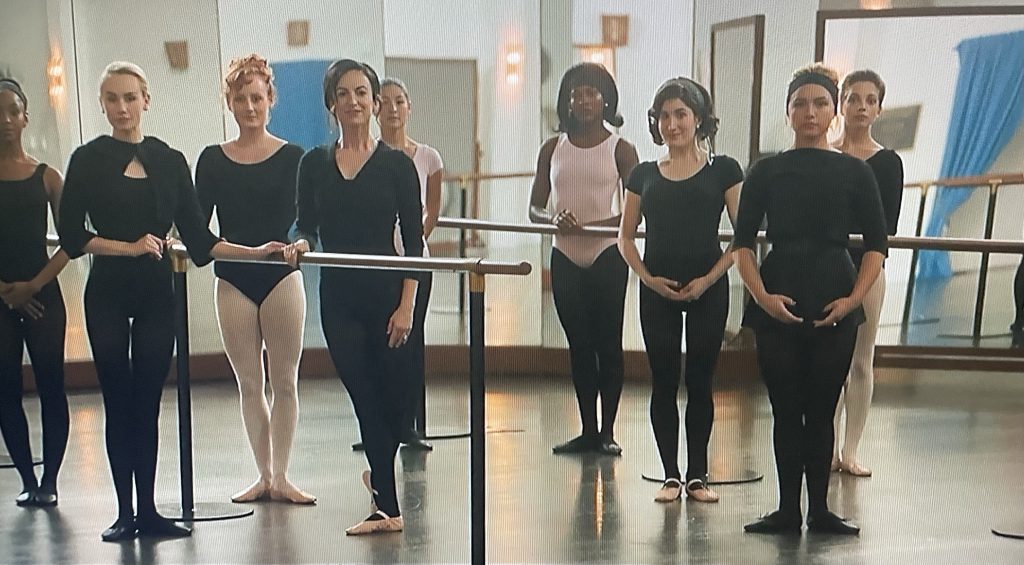
Traditional roles underpin the community’s existence. The husbands work each weekday. The wives stay home and though some cleaning and cooking is required of them, they otherwise sip cocktails, take ballet lessons, swim, sunbathe and shop. Children are mostly absent with a few exceptions, but the overall picture is one of leisure and luxury. Hardly a problem exists until one of its female members (a secondary character) goes off the rails and displays what the leader of the community deems irrational, mentally disturbed behavior. The film audience knows that this woman’s rants are the beginning of an unravelling.

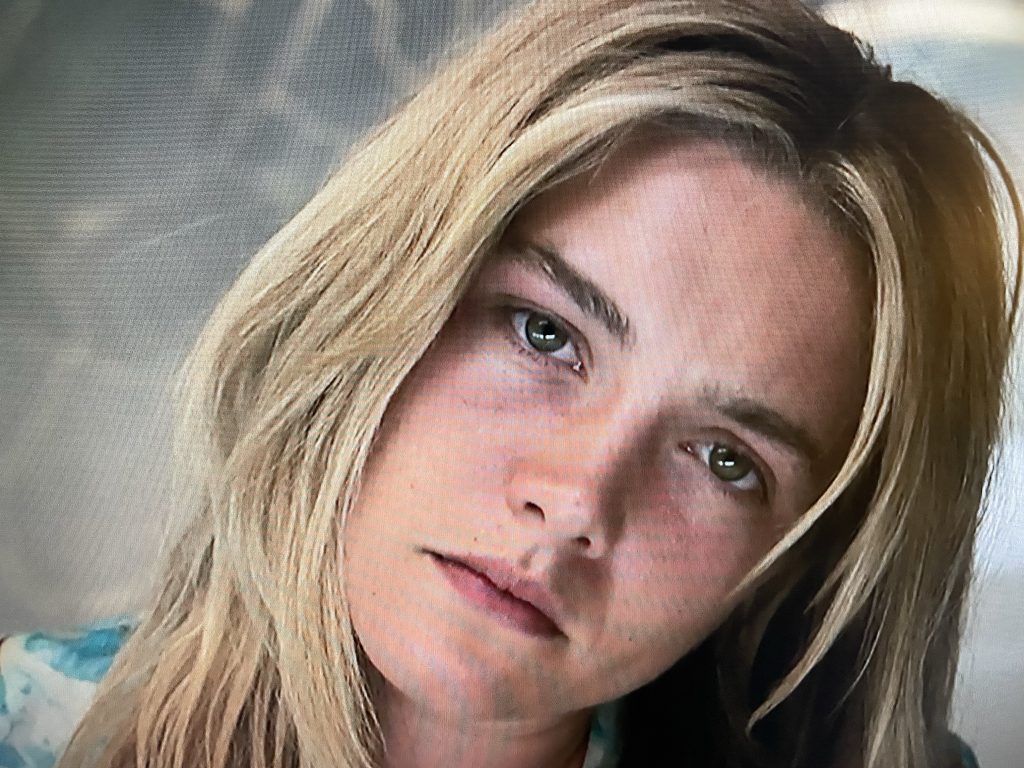
The main character, Alice (Florence Pugh) witnesses the suicide of the troubled woman, Margaret, someone she had considered a friend. In trying to help Margaret after she both slits her throat and throws herself from a rooftop, Alice is commandeered and quieted into submission by men in red jumpsuits who seem to police the community. After this, she falls under the treatment of the community’s doctor, is offered meds, and given electroshock therapy. The therapy backfires and causes Alice to remember her “real life”. Everything she is experiencing in this utopia is false, a virtual reality that her husband has committed her to, for reasons that were challenging for me to understand. In theory, her husband loves her and wants this ideal utopia for them both, but by the end, he is willing to subdue her himself, forcibly. My best guess is that he was wanting to give his wife a good life but could not in reality. In real life she is a surgeon, so some of the logic breaks down here because I could not figure out (on one viewing) how he was able to afford this virtual reality without his wife working. Possibly, the “work” he is doing each day is something illegal, and his secrecy about it is a trade he makes for a virtual paradise. However, he is basically imprisoning his wife and forcing her into an identity of his making. That is evil and perhaps Wilde is trying to show via hyperbole, how this can sometimes be the case in an actual marriage. However, the lesson feels forced to me as does the story overall.
Despite that, the film did entertain and I enjoyed the setting, clothing and hair, an artistic landscape with a story that almost measured up to the visual style.
OUT OF THE SILENT PLANET, A No Spoiler Review

OUT OF THE SILENT PLANET, by CS Lewis came about as a result of a coin toss between JRR Tolkien and CS Lewis in the 1930s. The understanding between the two men; one side of the coin would mean writing a science fiction novel, the other side would mean writing a time travel novel. The coin was tossed, Lewis was assigned the scifi novel. Tolkien was assigned the time travel novel. Tolkien never wrote his. Lewis did, published in 1938, twelve years before Narnia. In fact, he wound up writing three books of science fiction. OUT OF THE SILENT PLANET, which I will review here, was the first. This story is sophisticated, but there is no reason a YA reader or a very learned middle grade reader cannot take on this story. For educators thinking about assigning this book to a young person, a solid discussion on the story would make the experience a profound one.
The Short Review: 4 Reasons to Read OUT OF THE SILENT PLANET
- Superb writing and because this is CS Lewis, when you’re finished reading, your brain will have expanded
- Scintillating ideas that awaken the conscience…Plunge yourself into the mindset of a WWI veteran and a brilliant observer of history and soak in Lewis’ crucial critique of pre-WWII Europe
- Absorb Lewis’ Christian concept of God/Creator…the beauty and the moral implications
- Gain a vision for the power of fiction (imaginative science fiction in particular) as a way to change hearts and minds.
A Few More Details:
When Lewis and his friend and colleague, JRR Tolkien, both veterans of WWI, decided to toss that coin, they had been musing together about the sad state of fiction. They believed that the godless universe theory unleashed to some degree by Darwinists and proponents of the Hegelian superstate/superman, was giving rise to real beliefs (like eugenics which both understood as dangerous and evil) inside academia and government. More troublesome, these theories were making their way into fiction and infecting the broader population through story.
Americans fought in WWII and helped to defeat Hitler, so my nation (I am a US citizen) often forgets how the eugenics movement in the US was accepted and backed by some of our highest state actors, like President Woodrow Wilson. We in the US forget, maybe conveniently so, that we too were traveling on a similar road as the Nazis. This is how pervasive these ideas were and back in that day, they were considered progressive. It turns out, anything can be labeled progressive. A cautionary and hopefully humbling reminder to us in the 21st century.
Marxist ideology was also suspect in Lewis’ eyes. Both Marxism and Fascism preached an exercising of power where the end justifies the means. That idea was an abomination to Lewis and Tolkien, the rejection of which made its ways into the Lord of Rings trilogy, as it did into all of Lewis’ writings. As Christians (Lewis, an Anglican, Tolkien, a Catholic), they challenged the idea that the state has permission to sacrifice an individual for some greater good, not without that individual willingly giving up her/his life, soldiers willing to fight to defeat the existential enemy of a free state being one example of this proper sacrifice, something both of these men witnessed first hand.
In regard to reading OUT OF THE SILENT PLANET, knowing a little 20th century history and philosophy definitely helps the reader enter into the world of Elwin Ransom, the hero of the story, but even without that knowledge, this is a fascinating and well written tale. Ransom, a philologist, is on a walking tour of rural England. He is kidnapped and taken to Malacandra (the planet Mars). What unfolds is a story about relationship and curiosity (Ransom’s journey) versus dominance exercised by violence (the journey of his kidnappers). The narrative provides a resolution that exemplifies the idea that there is a standard of justice that is literally universal.
This is my third time reading OUT OF THE SILENT PLANET (notice my beat-up copy in the image above…not sure it will survive another read-through) and after finishing the book this round, I found myself dreaming about grace and kindness and goodness while I slept…something that doesn’t often happen for me after reading science fiction before bed.
12 MONKEYS A No-Spoiler Review
My son is visiting Wisconsin and after work, we are alternatingly choosing films to watch together. Two nights ago, we watched a horror flick he chose called Hereditary, which was decent, not awesome, but was made by the same film company that produced Ex Machina(which I loved and realizing now, I have never reviewed this flick on my site…must amend).
Last night, we watched 12 MONKEYS on Amazon Prime for $3.99. This film would probably be rated PG-13 today. No sexual content really, just creepy apocalyptic tension. And wow! This is still an awesome film and has aged well. Today, I asked my GenZ kid…What do you think? Would most GenZers like this film?
He said.
Absolutely. Yes.
It’s been a while since I’ve watched 12 MONKEYS, but given my vague memory of it, I thought…might be worth the time.
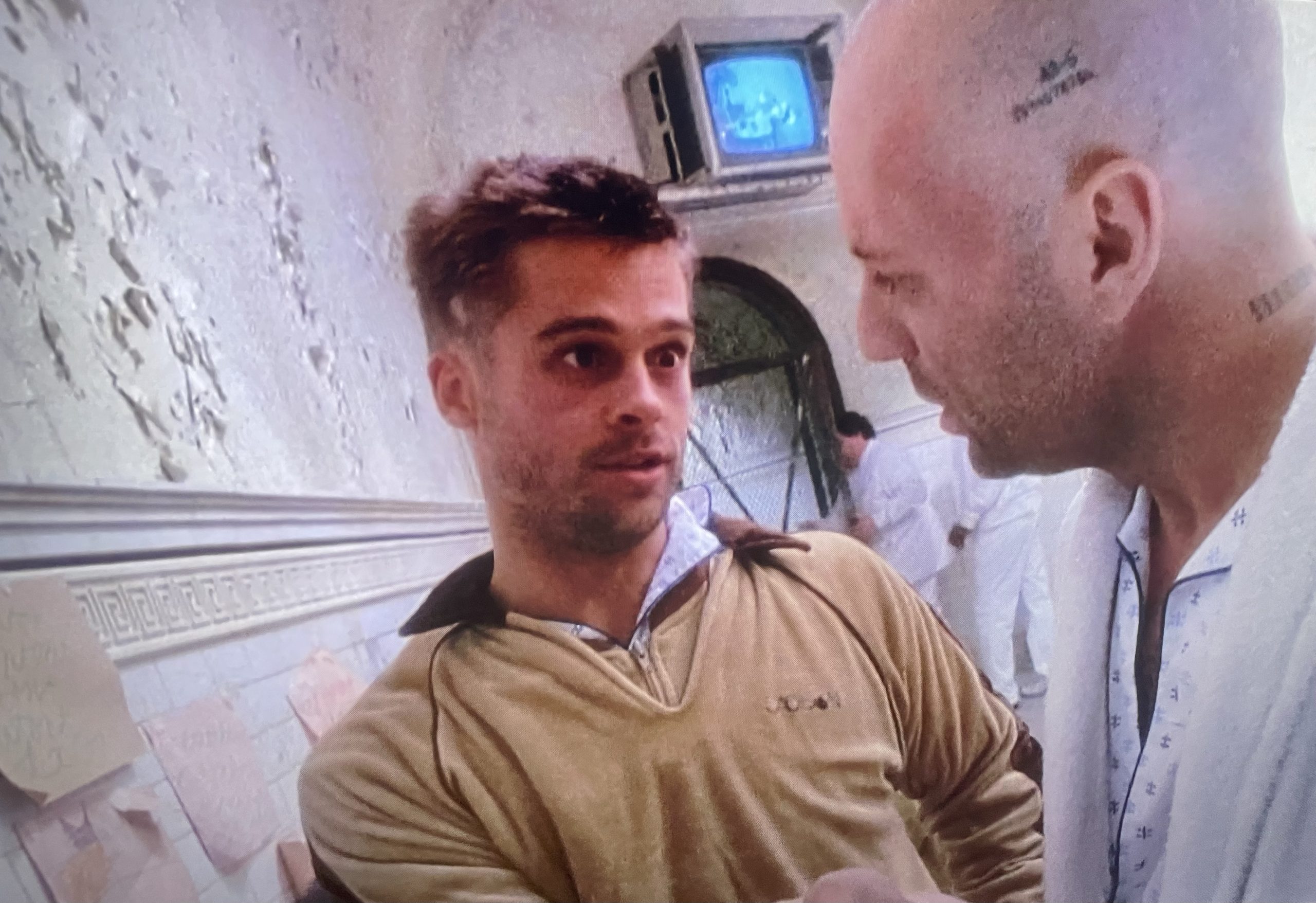
One pleasure, as an older film fan, was to remember Bruce Willis and Brad Pitt remarkably in the same film. Not sure it happened in any other, but what Terry Gilliam delivered on the screen between these two, was close to perfection. This is possibly Brad Pitt’s finest acting and if you’re a fan, you’re gonna have to watch. A few images below underlie my point.

First, my Short Review: 4 Reasons You Want to Watch 12 MONKEYS
- Weird and dystopian tale, echoing Blade Runner in tone and style.
- One of Terry Gilliam’s masterpieces
- Possibly Brad Pitt’s finest acting
- Bruce Willis playing his iconic gritty and misunderstood character
- Great storytelling
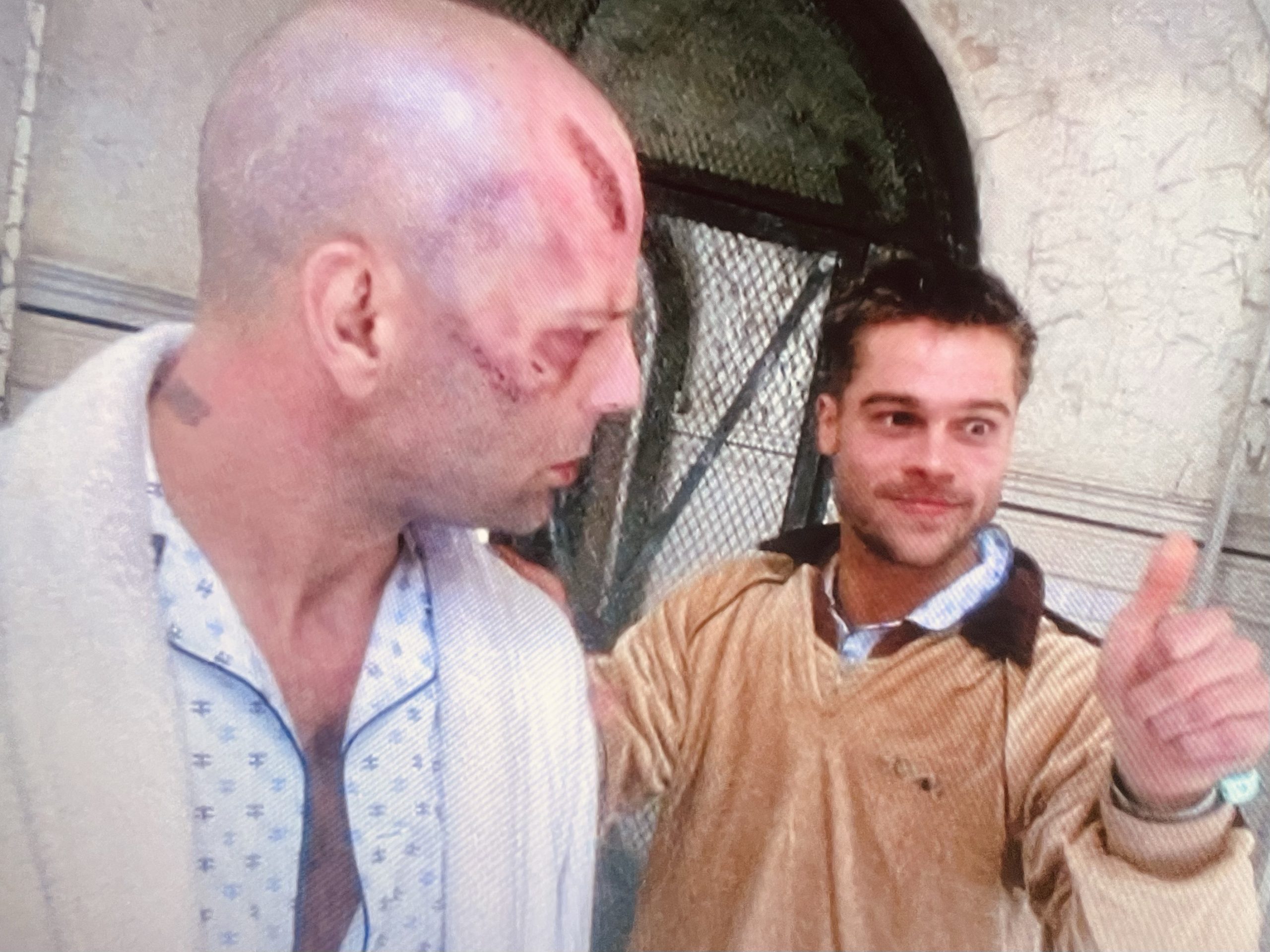
Just cannot get enough of these scenes, shots of these two iconic men, culture-impacting actors for the last 30 years.
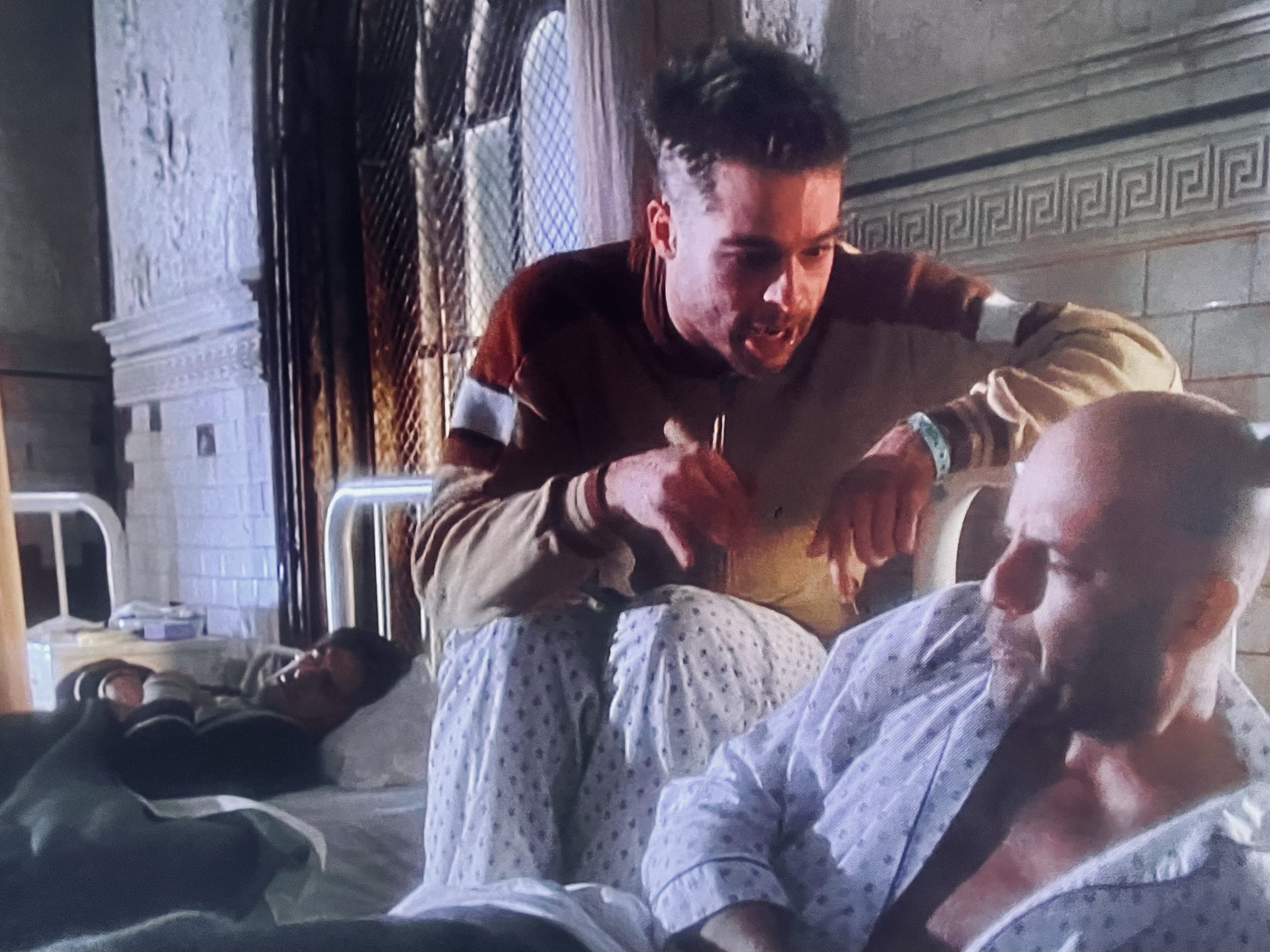
And

The Longer Review
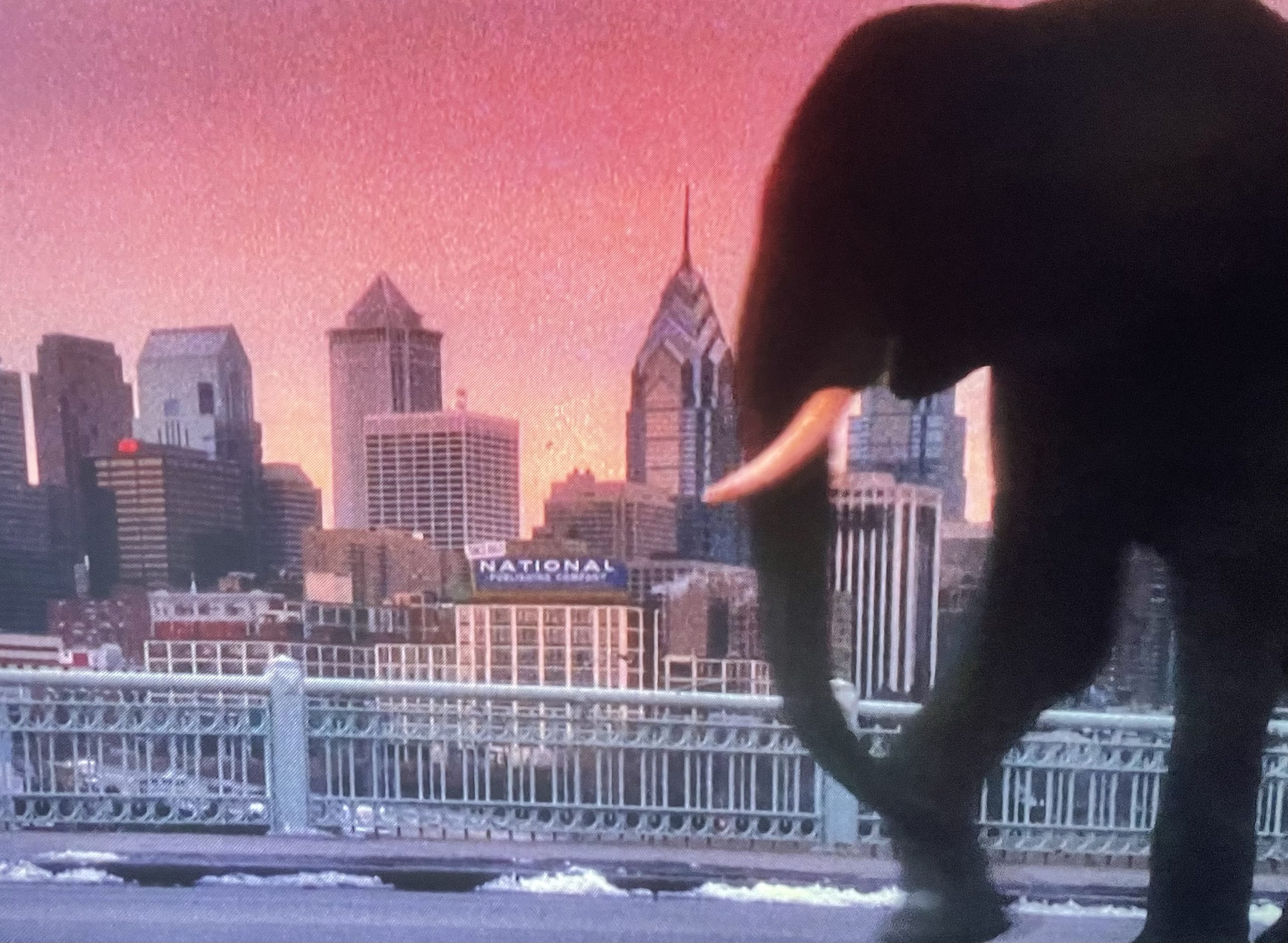
Sometimes when you re-watch a film like 12 MONKEYS, you wonder how it’s gonna age. As an older person, you think (because you have experienced this before), was I impressed because of something slightly superficial and trite, or was this film truly great? With this flick, you need not worry. 12 MONKEYS delivers on so many levels. First, it delivers on weirdness of setting, including its gritty urban reality. My son (25yo), who has watched Blade Runner understood the dystopian aesthetic of this world. He even commented on the similarity. That, in and of itself, makes me feel I am doing my job training up my children. Second, 12 MONKEYS delivers on story. There is a clear protagonist, a vaguely enormous villain (that proves to be more personal in the final scenes) and enough mystery to keep the audience in tension. Finally, there is weirdness and surprise and the best aspects of science fiction where the perspective being put forward from one or two of the characters absolutely blows up the assumptions and values of the audience. And, if nothing else, respect these images…bizarre and gorgeous. Terry Gilliam is a genius.
THE BATMAN, God and Justice. Warning: So Many Spoilers

Last night I had the privilege of watching Matt Reeve’s THE BATMAN. I enjoyed the film, though it was tough to watch, a tense experience. Graphic violence is implied more than shown, but evil and darkness are palpable in every scene. Not that the film isn’t a beautifully crafted story…the dingy special effects are stylized to evoke the brokenness of Gotham. They reveal a failing society in every frame. It’s pouring rain and night during most of THE BATMAN, and of those scenes shot in the day, the skies are gray.
Of course, this is a familiar setting for our comic book hero, the Dark Knight, but what is less familiar is the tone of utter hopelessness associated with that darkness. Violence plagues the city of Bruce Wayne. In the opening sequence, it is Halloween night and masked hoodlums run wild across Gotham causing mayhem, and at one point a gang of them threaten an Asian American man in a subway station, hitting too close to home for many of us. Halloween is also the night the Riddler commits his first murder.
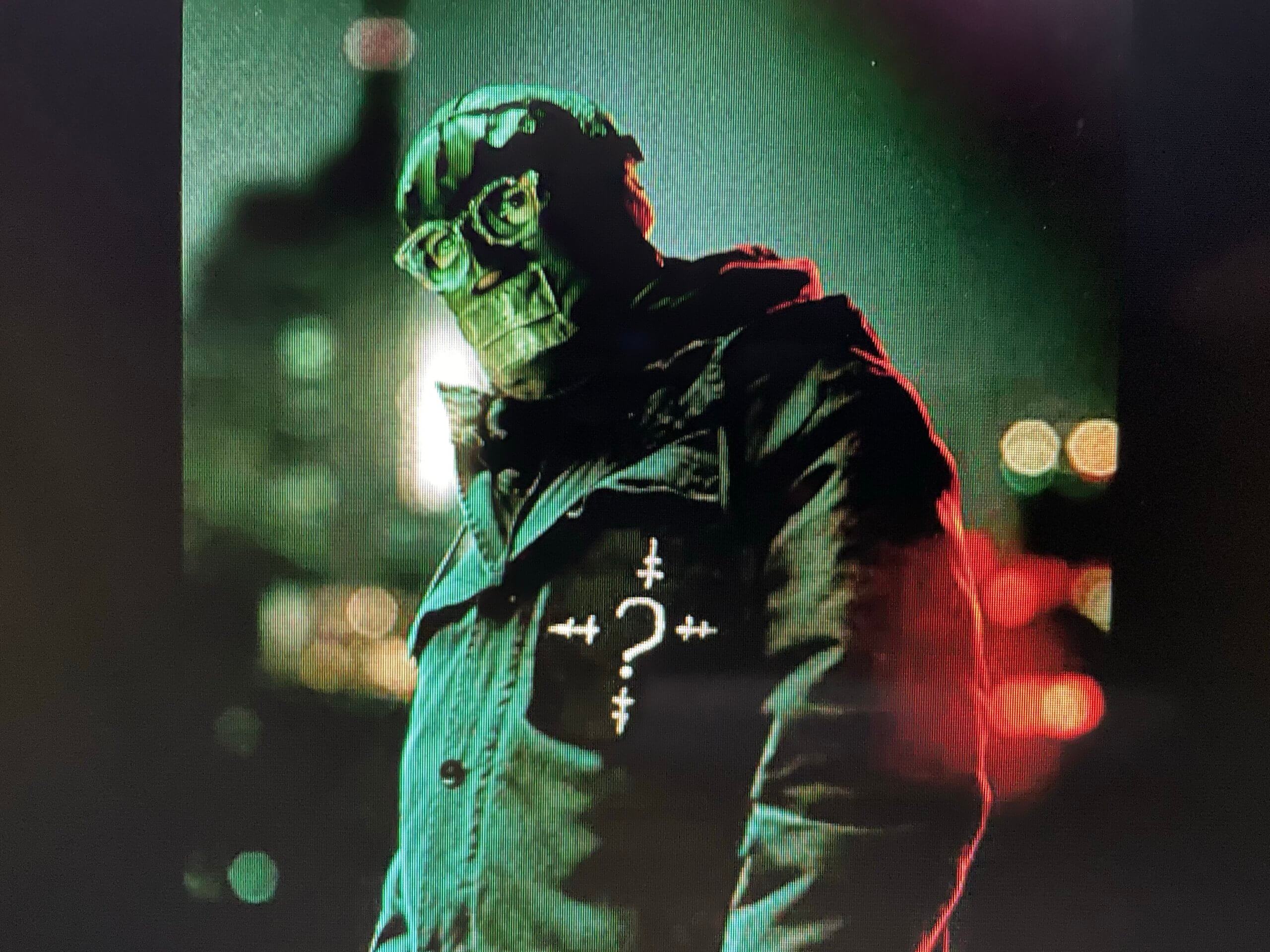
The brutality of humanity is on display in THE BATMAN, begging the question: When is a society so corrupt, so evil, so far gone, there is no hope of renewal and it must be destroyed? This film earned a PG-13 rating. It’s possible a mature teen could watch this and grapple with the question posed above. It’s a hard question, but one that ought to be pondered by all of us.
The rivalry between Batman and the Riddler draws out themes of righteousness versus justice. In certain respects, both men are the same. Both are trying to root out corruption, Both are straining toward a just society. Batman roots out injustice by defending the good guys and working within the system. Though outside the formal police force, his link to Lt. Gordon cannot be denied, nor can anyone doubt his insider status as Bruce Wayne, the orphaned son of a beloved city father. The Riddler however, also an orphan, stands on the outside. He roots out evil by exposing it, by punishing via execution and making a public example of those who have betrayed justice. The Riddler’s first murder is the mayor of the city and subsequently other politicians and law enforcement, those caretakers of Gotham who have made their beds with the mob. Because of these assassinations and the attention he draws to corruption, Batman along with the audience are forced to focus on what is a massively broken system at the highest levels of the city.
The audience wonders whether ANY politicians or police are clean in Gotham, and can such evil be undone when the gatekeepers of justice have become those who perpetrate injustice? The Riddler sees no way out but total destruction.
On the narrative journey, Batman faces truths about his own father. The idealism with which he has viewed his parentage is shattered, evoking for me the psalmist’s words from Psalm 14, text lifted by the Apostle Paul and placed in his letter to the Romans.
The fool says in his heart, “There is no God.”
They are corrupt, they do abominable deeds;
there is none who does good.
2 The Lord looks down from heaven on the children of man,
to see if there are any who understand,
who seek after God.
3 They have all turned aside; together they have become corrupt;
there is none who does good,
not even one.
Why do I include this? In the film, I think Reeves is trying to make a theological point. I bend toward theological rather than philosophical because the powerful reality (loaded imagery) at the end of the film is a flood…as in Noah and the Biblical account of the destruction of evil.
In THE BATMAN, the Riddler has set up bombs that line the seawall on Gotham’s perimeter. The Riddler has determined that Gotham is irredeemable. Gotham must die, drown and be cleansed of its evil. Only then will it be reborn. A flood to destroy evil? This is as old a tale as humanity, understood within Judaism, Islam and Christianity. There comes a time when a civilization is so broken, every living thing has to be destroyed in order for evil to be rooted out. The Riddler sets himself up as God and judge. He determines that Gotham is a total loss. Total destruction is the ONLY remedy for its evil.
Batman represents another side of this argument. Don’t miss the fact that Selina (the Catwoman character wonderfully portrayed by Zöe Kravitz), tries to coax Batman to remove himself permanently from Gotham. I can’t recall her final words to Batman precisely, but they were something like…staying here and trying to save Gotham will kill you.
That comment is an homage to a redemptive sacrifice and Batman as Christ figure…sort of…The audience already knows how much life has been sapped out of the young Bruce Wayne because of his mission to avenge his father, but also to help Gotham. Batman’s motives are often mixed here. Interestingly, this Batman, the Reeves’ Batman grows. He realizes that vengeance is not the full story of how he must respond to evil. To truly honor his dead father and mother, he must do more. He must minister good to the people of Gotham. Two images of Batman in the final scenes make my point. One is him diving into the abyss, lighting his flare and leading innocent people by hand, out of the flood, out of judgment. The other is him helping a wounded girl on a stretcher and holding her hand as she seeks his assurance and is flown away to safety, to healing. Reeves connects the hero, the savior, to humanity with that touch. Redemption in this case is a touch that is gentle and personal, the opposite of violence. Batmas has crossed over from vengeance to love.
The Russia Ukrainian War is raging as I write. Yesterday, Russian planes targeted a shelter in Mariupol, a place holding hundreds of children and women. On the ground on either side of this structure, the Ukrainians had written in Russian the words “children” in very large script, large enough to see from the air. How does one grapple with the bombing of this place, with the destruction of so many innocents? (The number of dead is still undetermined…I will correct this when the fog of war has dissipated.)
Update: on March 25, it was believe that 300 had died in the bombing. In early May, after a thorough AP investigation, it was revealed that 600 likely died in Mariupol theater airstrike.

So, I end with this image, Jesus of Sinai, Pantocrator, an icon from the the 6th century. For Christians of the 6th century, most of whom were illiterate, icons like this were essential to their faith because embedded within each icon are theological truths. For them, looking at an icon was like reading a holy text. With Jesus of Sinai, notice the weird lighting on his face, one side darker and one side lighter. That is intentional. Why? The post-modern viewer might not discern what his face represents but to early Christians, they represent two sides of the creator as God looks out over humanity. If you put up your hand and cover one side of the Messiah’s face, you see a bright and compassionate mouth and eye. When you cover the other side, you see a darker eye, an angry glare. The iconographer and the theologians of that time understood that both are sides of God and both are legitimate responses to evil. The story as laid out in the Bible is of God grappling daily with a society gone wrong. On one hand, he is merciful and forgiving, on the other, he is vengeful and ready to punish, to eradicate evil.
Current people of faith, people like me, struggle with that darker view of God, but we might do well to ponder it. Noah and the flood tell the story of God as do Jesus and the cross. And here we see the author of the new Batman film exploring both reactions to evil, but favoring mercy in the end.
We live in a complicated world, but some truths/questions find their way into our art, even if that art is embodied by a comic book character.
Kudos to Reeves for attempting something really big in his portrayal of THE BATMAN.
THE SILENT SEA, More Brilliance From the Korean Film Industry, A No-Spoiler Review of the Netflix Miniseries
First, the Short Review
6 Reasons I Recommend THE SILENT SEA
- Beautiful production overall, including visuals that underlie the creepy vibe
- Featured a number of my favorite Korean actors, a few you might recognize if Squid Game was on your watch list this past year
- Plenty tension and surprises/frights
- A number of science fiction and haunted house tropes embedded in the story and various characters (see more in longer review)
- The relationships and particularly, the relationship to authority feel authentically Korean. (also, see longer review)
- You know I love the miniseries genre, 1-hour installments of great storytelling that comes to a conclusion without an agonizing cliffhanger
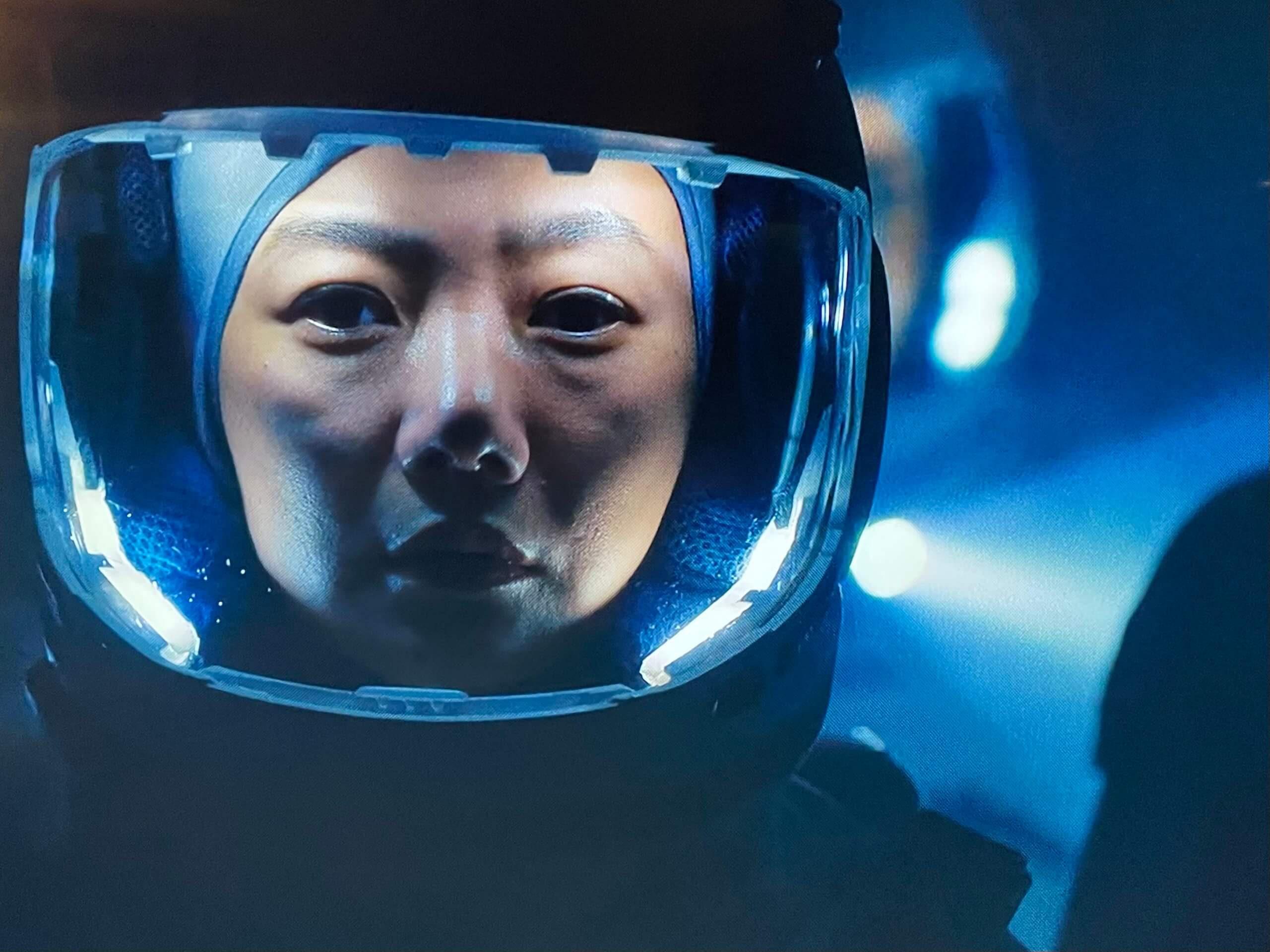
Longer Review
SILENT SEA is the story about a mission to the moon to find water. I rate this series PG-13. No sexual content in this production, but there are dead bodies, and some gore. Family-friendly if your teens are mature. It’s a fun, suspenseful ride.
The first episode quickly gives the viewer the high stakes for this mission. Drought has plagued the Earth. Water is the resource most valuable and due to its scarcity, the planet has become a wasteland. Water is rationed to such a degree, many have suffered physically, billions have died. The wealthy nations have gone into space to find a water source. Most abandoned the idea of finding water on the moon after searching, but the South Korean government kept snooping. There has been a top-secret program at a large moon station that was believed to have borne fruit, but suddenly…the experiment falters. Everyone dies all at once on the moon station. The earthbound directors, including Heo Sung-tae (pictured near end of review) initiate another mission to go to the station and investigate the truth, but secrets pulse underneath the surface of this mission and become one aspect of tension in the story. The authorities hold their cards close and the military and science leaders do not push back, though they suspect something fishy. This may or may not be an aspect of Korean-specific deference to authority, but the screenwriter exploits what I understand as deference in a way that serves the story. Also, this is where the nuanced acting plays such a powerful role in the unfolding of the narrative. The audience can see in the face of Bae Doona, the slight suggestion of twitch, a blink, a stern jaw…we see it, but barely and it helps us know that she understands that she is being deceived. Yet, in most of the outward behavior, she acts the true soldier. Doona is great at this nuanced acting, but she’s just one, among a number of these performers, who pull off such nuance. In my mind, THE SILENT SEA showcases superb writing and better acting than Squid Game. Click for a review of Squid Game

Once the mission lands on the moon, what unfolds reminded me of Ridley Scott’s Alien, in all the best ways. Yes, there will be corpses, tunnels, darkness, betrayals, a terrible and contagious sickness, but there will be one character who keeps her eyes on the prize. Dr. Song (Bae Doona) is intent on discovering the truth. In part, she seeks the truth because her sister is one of the corpses and the holder of many of the secrets. Doona as Dr. Song, pictured above, is a female lead in the Korean zombie series, Kingdom. To see my review of Kingdom, click here

I beat this drum a lot but I do feel that Netflix streaming continues to find the best international productions and when it comes to science fiction, the Korean film/media community is putting out a lot of great product. Produced by Jung Woo-sung, directed by Choi Hang-Yong, who deftly handles the brilliant storytelling of screenwriter, Eun-Kyoi Park. Honestly, I think I could teach a five-hour course on writing with this series, moving scene by scene through the screenplay, in terms of a classic sci-fi thriller. Fun fact, this story (as did Scott’s Alien), closely follows the haunted house template. That means there are a few predictable tropes. The audience knows that the mission is doomed (at least the mission as it was originally conceived) as one by one, the team gets whittled down. Who will remain in the end…that is what the audience wonders. Regarding the various characters, the majority of them hold their own, each having his/her own arc, including the wise-cracking military scrub who just wants to go home…a longing the audience suspects will not be realized.

I highly recommend. THE SILENT SEA, and suspect that Netflix now has me pegged in its algorithm as a person who loves Korean-produced thrillers/sci-fi. I might need to give the Koreans their own category on my site. The product is so good, I can’t stop watching and when I watch, I always review.